Nutrition Is the Root Cause. And the Solution.
The United States spends over $5 trillion annually on healthcare. 90% of that goes toward people with chronic and mental health conditions — the majority of which are cardiometabolic and driven by food.
FareRx exists to change that equation. Our cardiometabolic care program puts nutrition at the center of clinical care — not as an afterthought, but as the primary intervention.
Adherence drives outcomes.
Our model is built on member hospitality — treating every member like family. We build trust faster. Trust drives adherence. And adherence drives the clinical outcomes that matter to members, providers, and health plans alike.
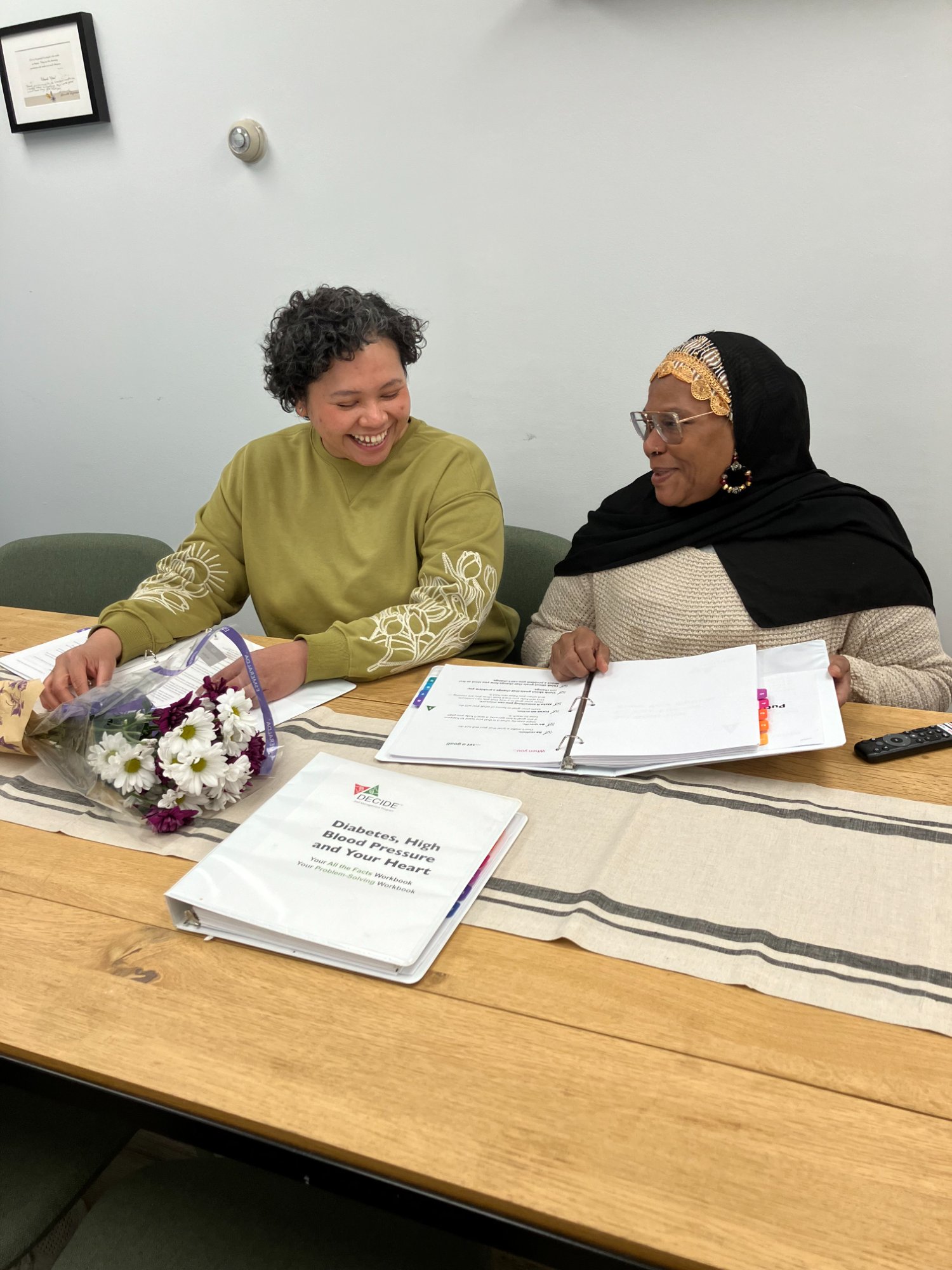
Not a Clinic. Your Grandmother's Kitchen.
The FareRx Teaching Kitchen is a community-driven clinical space that intentionally does not feel clinical. Members sit around a real kitchen table, not in an exam room. The space is bright, welcoming, and designed to feel like home.
Our goal: build the kind of environment where people want to show up early and stay late. When was the last time anyone said that about a doctor's office?
Connected directly to our grocery fulfillment operations, every member who visits the Teaching Kitchen leaves with a medically tailored bag of groceries specific to their condition — the same day.
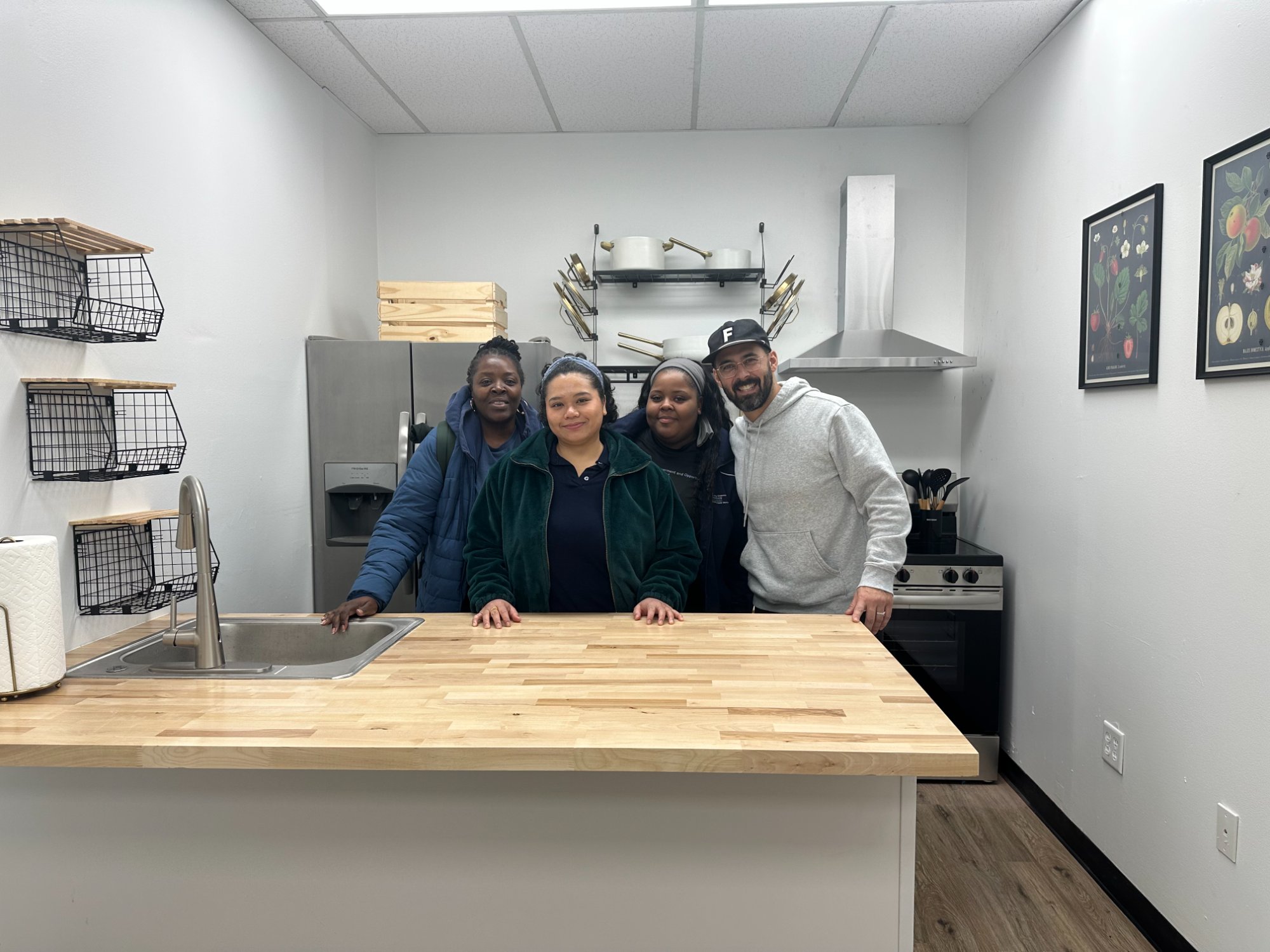
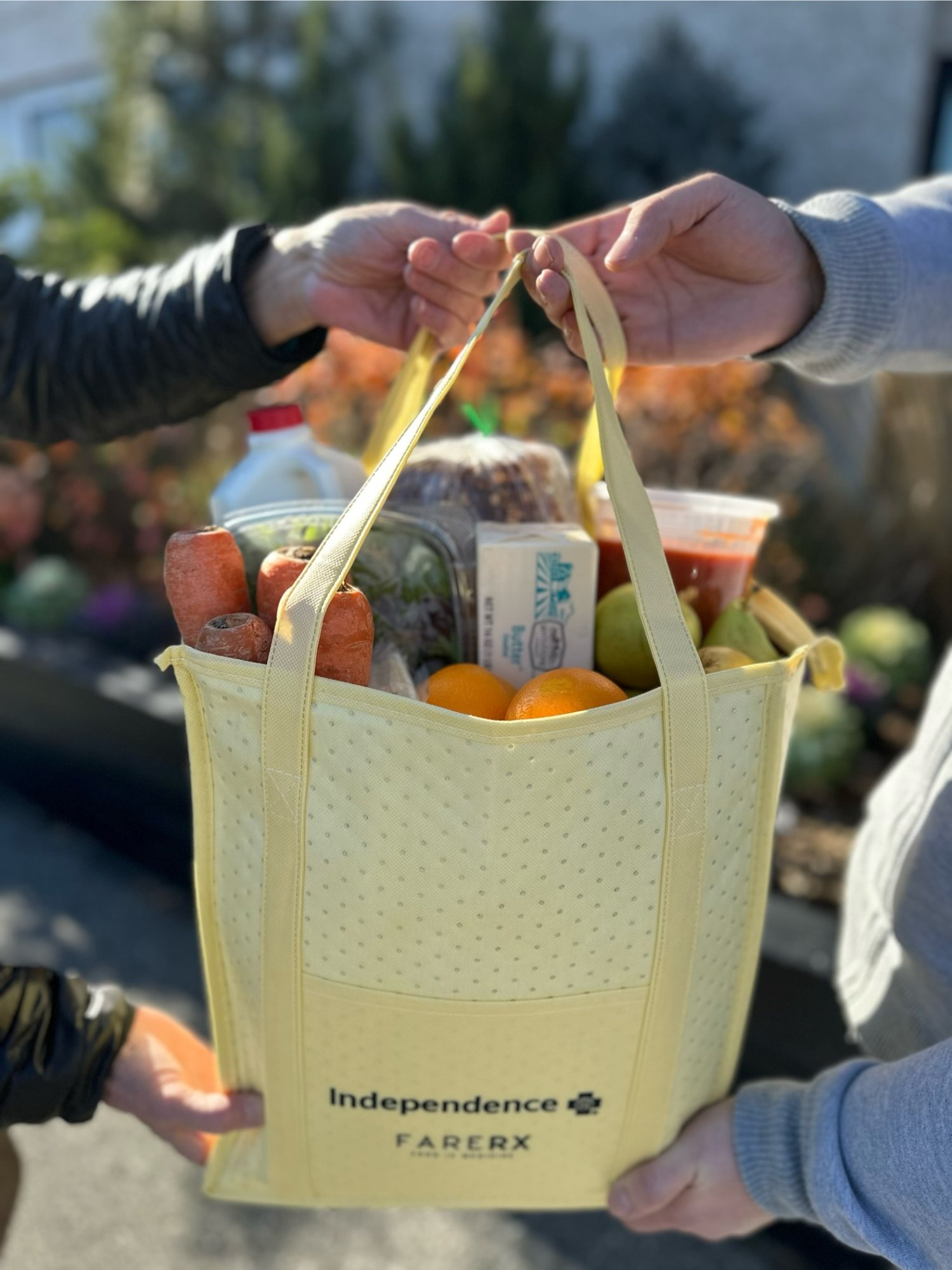
Through our partnership with FareRx, our Community Health Workers are turning health education into real-life action across the City of Philadelphia. By combining trusted relationships, culturally responsive health education initiatives like DECIDE, and access to nutritious food through FareRx, we are helping residents better manage chronic diseases like hypertension and diabetes. When food is medicine and community is the foundation, real change happens. And we're just getting started.
With You at Every Step
From the first conversation to ongoing management, every touchpoint is designed to build trust, reduce barriers, and improve clinical outcomes through nutrition.
Enrollment & Referral
Members are referred through health plan partners, community events, provider networks, or community health workers. Enrollment is conversational, not clinical — designed to meet people where they are.
First Visit — Baseline & Connection
The first session is everything in one sitting: clinical baseline, nutrition assessment, RPM device education, and a bag of medically tailored groceries to take home. One visit. Full clinical picture. No referral chains.
Ongoing Care — RDN Sessions & Monitoring
Monthly in-person sessions at the Teaching Kitchen. Updated labs. Recalibrated goals. New groceries. Between visits, the care team monitors RPM data and manages chronic care needs.
Progress & Step-Down
As members improve, the program naturally steps down in intensity. Less frequent touchpoints. More independence. The goal is to build programs that become unnecessary because the member doesn't need them anymore.
Covered by Insurance. Delivered in Community.
All services are covered by Medicare, Medicaid, and commercial insurance for eligible members. No out-of-pocket cost for qualifying individuals.
Medical Nutrition Therapy
Individual and group nutrition counseling by a Registered Dietitian Nutritionist. Culturally responsive, condition-specific dietary interventions rooted in what the member actually eats — not a generic handout.
Diabetes Self-Management Education
Accredited DSME/DSMES program integrated directly into the Teaching Kitchen experience. Self-monitoring skills, problem-solving barriers, nutrition literacy, and shared decision-making.
Remote Patient Monitoring
Cellularly connected devices — no Wi-Fi, no Bluetooth, no setup. Members take readings at home. Data flows to the care team automatically. Blood pressure, glucose, weight, and pulse oximetry monitored in real time.
Chronic Care Management
For members with two or more chronic conditions. Non-face-to-face care coordination, medication navigation, provider communication, and resource connection — the connective tissue between visits.
Clinician-Grade Data. Zero Setup for Members.
Every RPM device in our program is cellularly connected. Members take it out of the box, step on it, or press start — and the data is in our system. No apps. No Wi-Fi passwords. No Bluetooth pairing. This is critical for our population.
Point-of-care diagnostics via the Abbott Afinion 2 give us same-day lab results — lipid panels, HbA1c, and other biomarkers — so members leave their first visit with a real clinical baseline, not a referral to come back later.
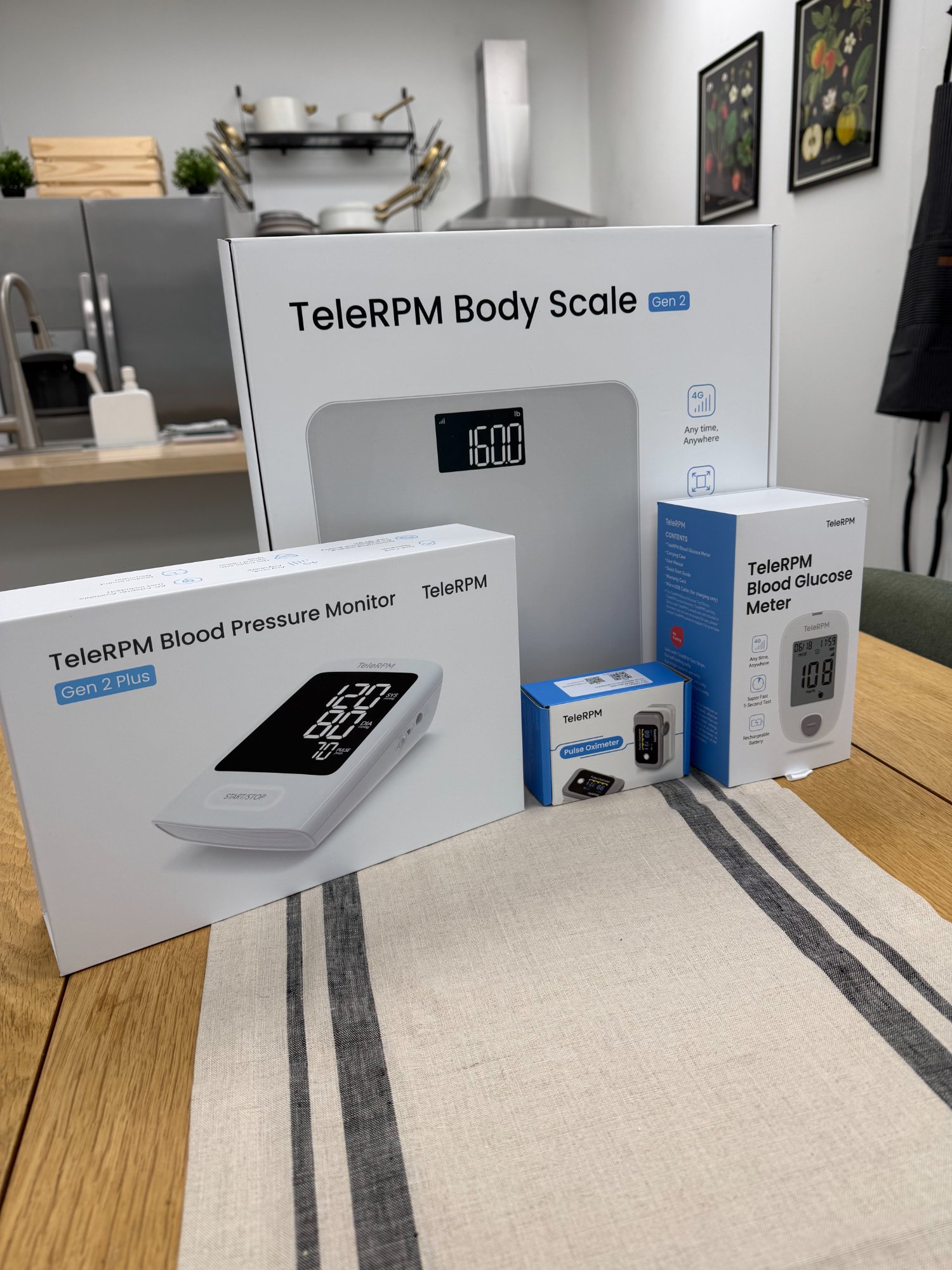
Blood Pressure Monitor
Automatic upper-arm cuff. Cellular transmission. Follows AHA Measure Accurately best practices.
Glucose Monitor
Continuous or discrete monitoring. Real-time glycemic data for the care team to adjust dietary plans.
Body Weight Scale
Step on and go. Tracks weight trends over time. Paired with BMI monitoring and nutritional targets.
Pulse Oximeter
Continuous oxygen monitoring. Detects cardiovascular and glycemic complications early.
The Delivery Infrastructure Behind the Clinical Program
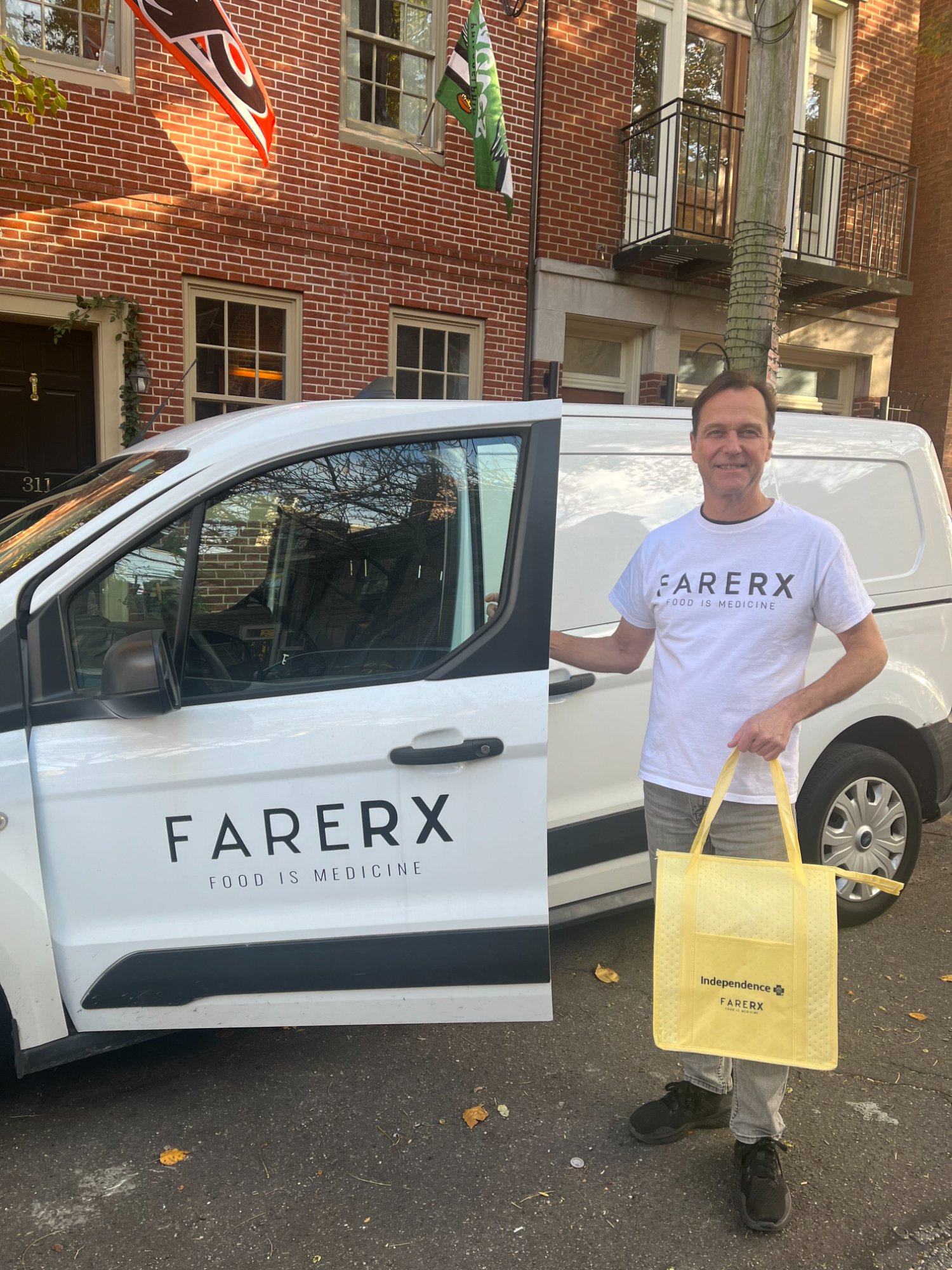
The Teaching Kitchen and cardiometabolic care program is built on top of FareRx's existing grocery delivery infrastructure — a proven, scaled operation that already reaches thousands of members with chronic conditions across Southeast Pennsylvania.
What the Data Shows
Pre/post matched outcomes from 102 member pairs across four SSBCI cohorts. September through December 2025. Measured results, not projections.
Members in the 12-week program showed 3.3–3.7× larger behavioral gains than 4-week members in the metrics most predictive of downstream clinical outcomes. Program duration should be a benefit design input, not just a budget variable.
Members in USDA-designated food deserts opted in at 66% vs. 54% in non-food-desert zip codes — a 12-point difference. The members who need this most are choosing it at the highest rates.
An Interdisciplinary Model
Supervising Physician
Clinical oversight of all care protocols, medication management, and treatment decisions.
Registered Dietitian Nutritionist
Leads MNT sessions, DSME curriculum, cultural food assessments, and ongoing nutritional counseling.
Clinical Program Director
Manages program strategy, care coordination workflows, and quality assurance across all clinical services.
Medical Assistant / CHW
Point-of-care diagnostics, vitals, RPM device setup, provider outreach, and scheduling.
Member Hospitality Team
Chronic care management, navigation, resource connection, and the relationship that builds trust.
Community Health Workers
Community outreach, enrollment support, cultural bridge-building, and social service connections.
Covered by Medicare, Medicaid & Commercial Insurance
FareRx is a credentialed clinical nutrition provider. Our services are billable through standard medical codes for eligible members — no out-of-pocket cost for most Medicare and Medicaid beneficiaries.
Built on Evidence-Based Frameworks
Blood Pressure Management
Follows Measure Accurately best practices. Self-measured blood pressure monitoring with validated devices. Goal of <130/80 adherence. Hypertensive urgency escalation protocols under physician oversight.
Diabetes Management
Patient Partnership and Lifestyle Modification pillar. Accredited DSME/DSMES program. Nutrition-first intervention with medically tailored groceries. Point-of-care HbA1c tracking.
Whether you're a health plan, provider, or community organization — we're building something different. Let's talk about how FareRx can serve your population.